
What Electrical Problems Are Most Common in Frenchs Forest Homes?


Frenchs Forest is 20 kilometres north of the Sydney central business district in the local government area of Northern Beaches Council. Frenchs Forest is part of Sydney's Northern Beaches region and also considered to be part of the Forest District, colloquially known as The Forest by its locals. cited from (https://en.wikipedia.org/wiki/Frenchs_Forest )
Key takeaways
Frenchs Forest homes often run into repeated tripping, ageing switchboards, worn fittings, overloaded circuits, and outdoor electrical wear from weather exposure.
The problem is not always one major fault. In many homes, several smaller issues build up over time and start showing up together.
The best fixes usually come from identifying what is outdated, what is overloaded, and what is no longer suited to how the home is used today.
Frenchs Forest has a broad mix of homes, from older family properties through to renovated houses with newer lighting, air conditioning, induction cooking, and home office loads. That mix creates a familiar pattern for electrical work: the house itself may still be sound, but the electrical system is often carrying more than it was originally designed for.
That is why some electrical problems show up again and again in the suburb. The issue is not just age. It is age combined with modern demand, past alterations, and outdoor exposure over time.
Repeated tripping and overloaded circuits
One of the most common complaints is repeated tripping. Sometimes that is caused by a single faulty appliance, but often it points to a circuit that is under strain or a home that has accumulated more demand than the original layout was built for. Kitchens, laundry circuits, outdoor power, and general power circuits are common pressure points.
The important thing is not to treat repeated tripping as normal. It is one of the clearest signs that something needs checking properly.
Ageing switchboards and older protective devices
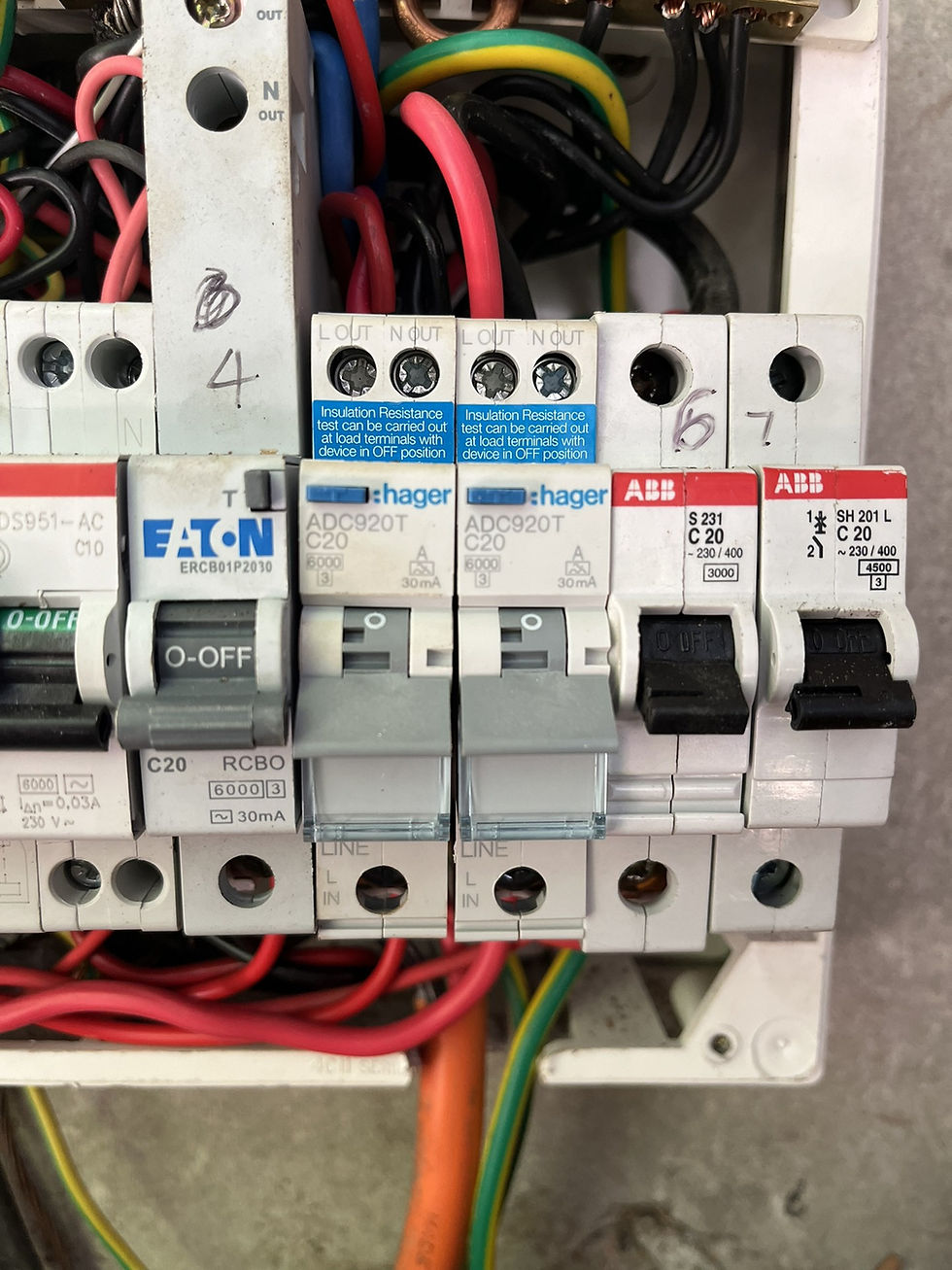
Many homes in and around Frenchs Forest still have switchboards that were acceptable for a much lighter electrical load. Once renovations, air conditioning, EV charging plans, or modern kitchen appliances enter the picture, those older setups can become a limiting factor. In some cases the issue is capacity. In others it is simply that the protection arrangement is no longer ideal for the home.
That is often why a house can appear to work fine for years and then suddenly start showing faults once usage patterns change.
Outdoor wear, moisture, and exposed fittings
Frenchs Forest homes also tend to have outdoor lighting, side access circuits, garden power, or exposed fittings that take weather over time. Moisture ingress, corroded fittings, and declining seals can all create nuisance faults or unreliable performance.
These issues are easy to ignore while they are intermittent, but they often become more expensive once the problem spreads into wiring accessories or repeated fault-finding callouts.
What a homeowner should do first
The most practical first step is to notice patterns. Does the problem happen when specific appliances run? During wet weather? In one part of the home only? After a renovation or kitchen change? That kind of information usually shortens the diagnostic path and helps separate isolated appliance issues from broader electrical problems.
A house does not need to be in obvious failure before it is worth checking. Many of the best outcomes come from identifying the weak points before they turn into urgent faults.
Related services and reading
How Pica Electrical can help
Pica Electrical helps Frenchs Forest homeowners work out whether the issue is a simple repair, a circuit-level problem, a switchboard limitation, or part of a broader upgrade decision. That matters because the right fix is not always the biggest one — it is the one that actually addresses the cause.
If your home in Frenchs Forest is showing repeated electrical issues, Pica Electrical can help assess what is happening, explain the practical options, and recommend the next step clearly.


Comments