
What Balgowlah Homeowners Should Check Before Upgrading an Older Switchboard

Updated: 7 days ago

Key takeaways
An older switchboard upgrade should usually be judged against both safety and future electrical demand, not just whether the board still technically works today.
Balgowlah homes often need a broader view because renovations, air conditioning, induction cooking, EV charging, and modern appliance loads can all influence the smarter switchboard pathway.
The best time to think carefully about the switchboard is often before larger electrical changes are locked in, not after limitations have already caused rework.
A useful switchboard article should help homeowners understand what to check before upgrading instead of only saying the board is old.
Switchboards often become a focus only when something has already gone wrong or when a larger upgrade makes the limitations too obvious to ignore. But for many Balgowlah homes, the better outcome comes from checking the switchboard before the next electrical decision forces the issue.
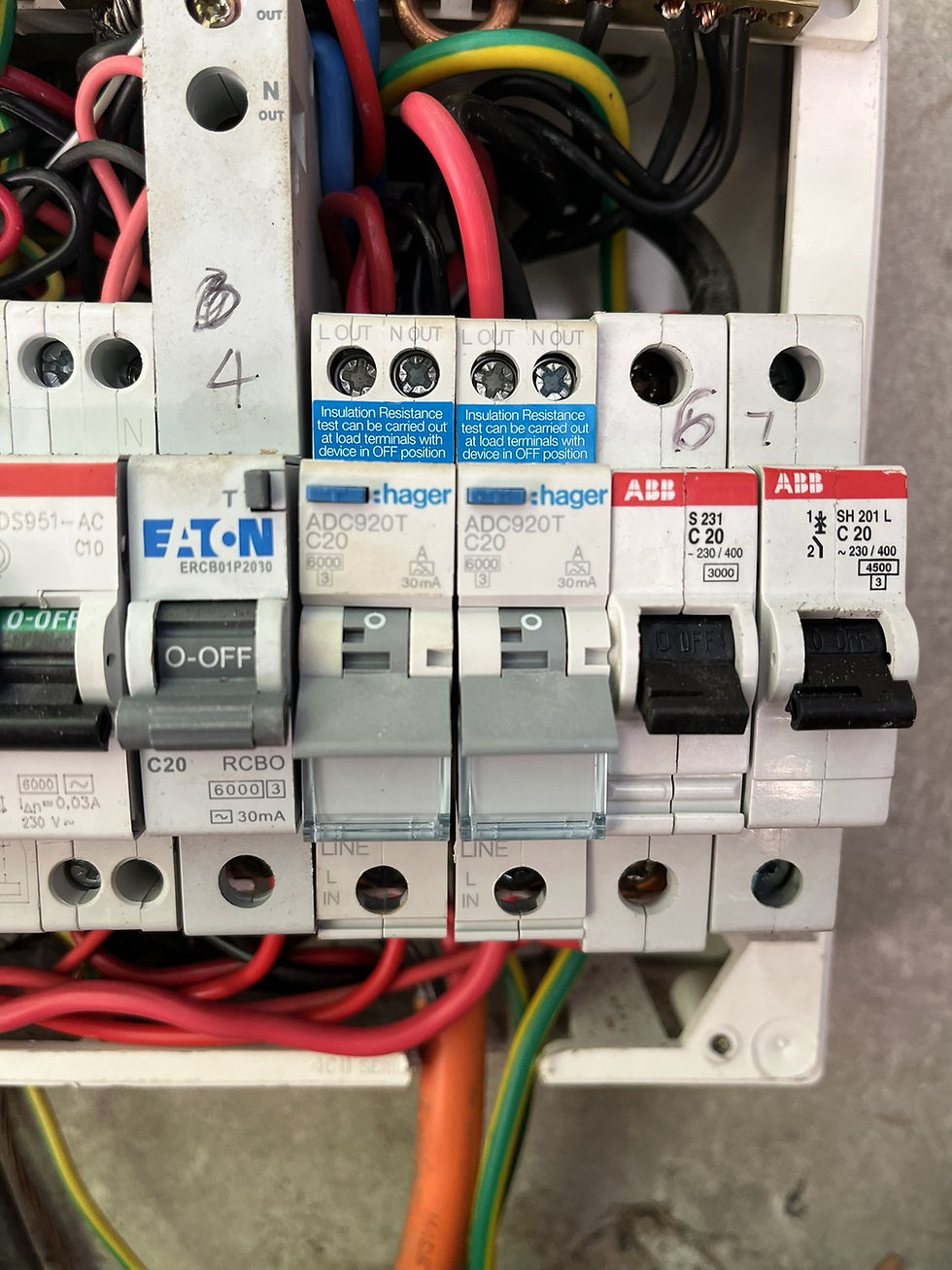
That matters because an older switchboard may still be functioning while no longer being a good fit for how the home is actually used. Renovation work, heavier appliances, air conditioning, future EV charging, and broader electrification can all change what the smarter upgrade pathway looks like.
This refresh makes the article more practical for homeowners by focusing on what should be checked before an older switchboard is upgraded and why those checks matter in a local home-upgrade context.
What homeowners should check first
Whether the current board still suits the home’s present and likely future electrical demand.
Whether recent or planned upgrades are likely to increase circuit or capacity requirements.
Whether recurring tripping, crowding, age, or layout limitations are already pointing to a bigger issue.
Whether the switchboard decision should be considered together with renovation, appliance, or EV charging plans rather than in isolation.
Why Balgowlah homes often need a broader switchboard conversation
Some homes are carrying older infrastructure underneath newer living patterns. That can mean the board is being asked to support a level of demand or sequencing it was never really planned for.
A switchboard upgrade decision is often better when it is connected to how the home will be used next, not just how it has coped up to now.
When a switchboard issue may be more than just age
If the homeowner is already planning renovations or heavier electrical loads, age may only be one part of the reason the board is no longer a good fit.
If the system feels constrained, repeatedly inconvenient, or out of step with the home’s future plans, the switchboard may need to be assessed as part of a larger pathway.
Why this matters before future upgrades are added
Switchboards often become the bottleneck once new electrical demands are layered in. Looking at the board early can help avoid reactive decisions once larger upgrades are already underway.
That is especially useful in homes where comfort upgrades and future electrification are likely to keep expanding over time.
Common questions about older switchboard upgrades in Balgowlah homes
What should Balgowlah homeowners check before upgrading an older switchboard?
They should check present demand, likely future loads, recurring issues, layout limitations, and whether the switchboard should be planned together with other major electrical changes.
Does an older switchboard always need replacing immediately?
Not always, but age alone is not the only factor. The bigger question is whether the board still suits the home safely and practically for current and future use.
Why does this matter before renovations or new appliances?
Because larger upgrades often expose switchboard limits more clearly and can create avoidable rework if the board was not considered early enough.
Can EV charging or broader electrification affect the switchboard decision?
Yes. Future EV charging, air conditioning, induction cooking, and other electrification plans can all influence what sort of switchboard pathway makes sense.
Why is this more useful than a generic switchboard article?
It helps the homeowner think about the board in the context of the actual home, local upgrade patterns, and future electrical demand instead of only hearing that the board is old.
Related services and reading
How Pica Electrical can help
Pica Electrical helps homeowners work out whether an older switchboard is simply ageing, no longer suited to current demand, or better reviewed as part of a larger home-upgrade pathway.
That makes the switchboard decision more practical, better timed, and easier to align with what the home is heading toward next.


Comments