
Can an Older Switchboard Support Induction Cooking, Air Conditioning and Future EV Charging?


Key takeaways
An older switchboard can sometimes support one new load, but that does not mean it is ready for several modern electrical changes at once.
Induction cooking, air conditioning, and EV charging should be viewed as a combined demand question, not three isolated purchases.
The real issue may be safety, capacity, sequencing, or a combination of all three.
The best result usually comes from understanding the home’s likely future electrical pathway before one major appliance decision locks everything else in.
A lot of homeowners first notice their switchboard question when they plan one upgrade, such as induction cooking or an EV charger. But the switchboard conversation often becomes much bigger once the rest of the house is considered. If air conditioning, chargers, and modern appliance loads are all part of the home’s future, the useful question is not “Can the board handle this one thing?” It is “Can the board support the home I am turning this property into?”
That is why this topic should be framed as a practical homeowner planning question rather than a purely technical component check. Many homes can still function on an older switchboard until the owner starts stacking newer expectations onto it.
This article helps separate what is happening when the board is genuinely unsafe, when it is merely undersized for the future, and when the smarter answer is to plan the upgrades in sequence rather than one purchase at a time.
What should be checked first?
Whether the current board already looks stretched by existing loads or staged upgrade history
Whether induction, air conditioning, and EV charging are all likely within the same medium-term plan
Whether the board limitations are mainly about safety, capacity, or both
Whether the homeowner is trying to solve one immediate need or build a future-ready electrical baseline
Whether the switchboard should be assessed alongside the wider property load path rather than as a stand-alone item
Why these three upgrades change the conversation
Each one can be manageable alone in some homes, but together they change the demand profile significantly.
That means the switchboard question should be about combined electrical pathway design, not isolated appliance approval.
When the issue is more than capacity
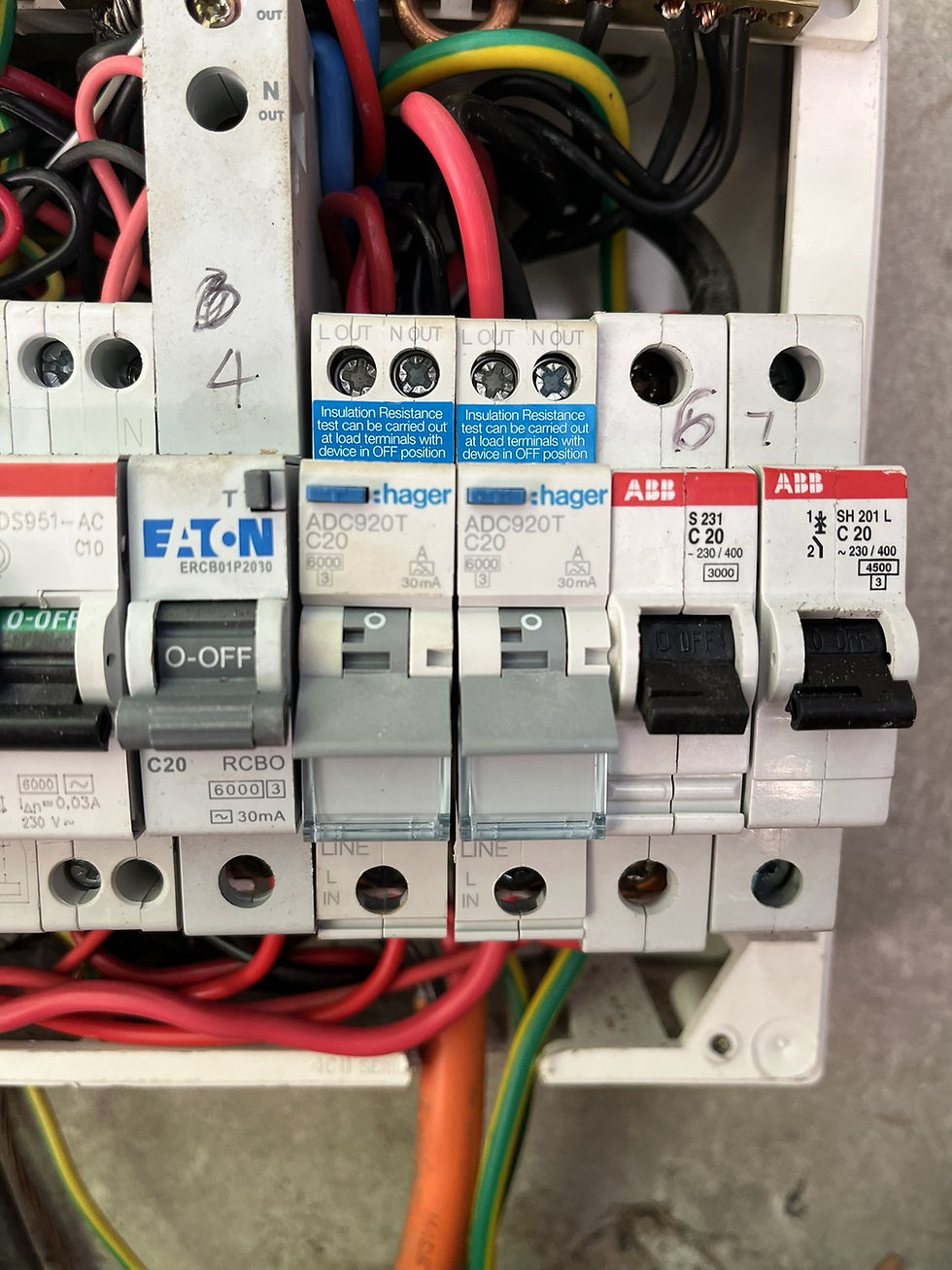
Sometimes the board is not only undersized. It may also be dated in ways that make the homeowner’s future plans less safe, less flexible, or harder to stage cleanly.
In that case, the board upgrade is not only about getting more power. It is about creating a safer and more coherent platform for the next stage of the home.
Why sequencing matters
The smartest path is often not to install each new load as a separate event. It is to decide the broader order in which the home will be electrified so the board and circuits are upgraded once, not repeatedly.

Common questions about older switchboards and modern household loads
Can an older switchboard support induction cooking, air conditioning and EV charging at the same time?
Sometimes, but often not without more planning. The answer depends on the age and condition of the board, the existing load profile, and whether the broader home pathway has been thought through properly.
Is this mainly a safety issue or a capacity issue?
It can be either, and in some homes it is both. The board may be safe enough for the past but no longer well suited to the future demand the homeowner wants to place on it.
Why should these upgrades be thought about together?
Because each one affects the overall electrical demand of the house, and treating them separately can lead to inefficient staging or rework later.
Should a homeowner delay one upgrade until the bigger picture is clearer?
Often yes. A short delay can produce a much cleaner electrical pathway than pushing one appliance decision through before the board question is understood properly.
What is the best outcome from this kind of assessment?
The best outcome is clarity on whether the switchboard can still serve the home’s future, what needs to change, and what should be done first.
Related services and reading
How Pica Electrical can help
Pica Electrical helps homeowners work out whether an older switchboard is still a practical base for modern living or whether the home is already signalling the need for a more deliberate upgrade pathway.
That gives the owner a clearer sequence for induction, air conditioning, EV charging, and future electrification rather than a stack of isolated decisions.


Comments