
Can an Older Balgowlah or Seaforth Home Handle a Level 2 EV Fast Charger?


Key takeaways
Most older Balgowlah and Seaforth homes need the switchboard and supply pathway checked before a Level 2 EV charger is approved as a straightforward install.
A Level 2 charger is not only about the charger itself. The real question is whether the home can support the new load cleanly alongside air conditioning, cooking, hot water, and future electrification plans.
Some homes can support an EV charger with minor work, while others need staged upgrades, smarter load management, or a broader rethink of the electrical backbone.
The best result usually comes from checking the property properly before buying the charger, not after.
Most older homes in Balgowlah and Seaforth can support EV charging in some form, but not all of them are immediately ready for a Level 2 charger without further checks. In many of these homes, the real constraint is not enthusiasm for EV ownership. It is the age of the switchboard, the available capacity, and whether the house is already carrying other heavy electrical loads.
That is why the smarter question is not simply “Can I install a fast EV charger?” It is “What does my home need first so the charger fits safely and works properly long term?” In older Southern Northern Beaches homes, that answer often depends on the supply type, the switchboard, and whether the owner is also planning solar, battery storage, induction cooking, or major air conditioning upgrades.
This article is designed to answer that exact scenario in a way that helps a homeowner make a better planning decision before buying the wrong equipment or forcing messy rework later.
What should be checked before a Level 2 charger goes in?
Whether the switchboard has the capacity, space, and protection needed for the charger
Whether the home is already carrying large electrical loads that could create peak-demand conflicts
Whether the property layout and parking arrangement make the charger pathway straightforward or awkward
Whether the owner is likely to add solar, battery storage, or more electrification soon
Whether the property may need a staged solution rather than a one-step install
Why older Balgowlah and Seaforth homes can need more planning
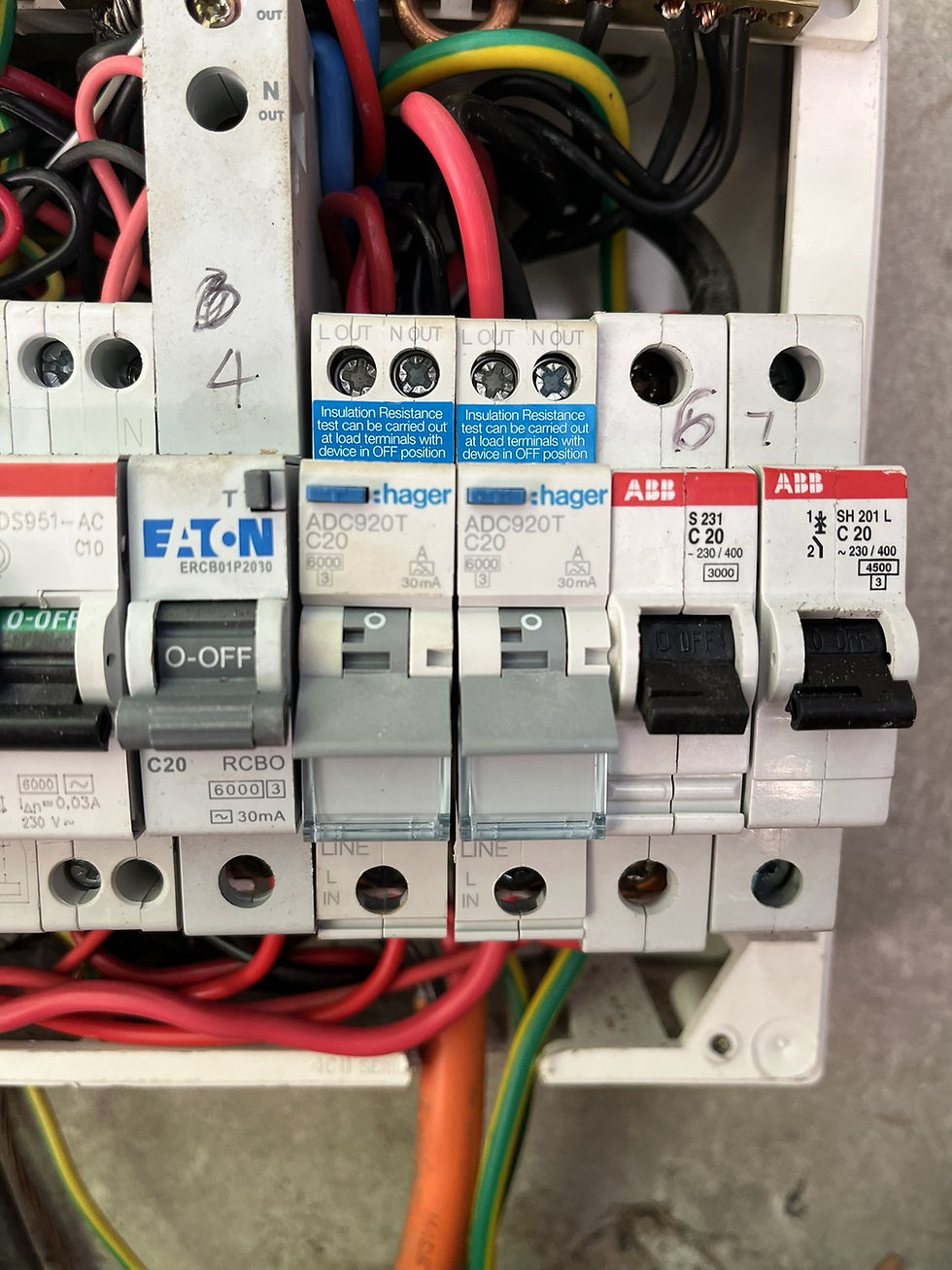
Older homes often carry switchboards and circuit layouts that were never designed for EV charging, ducted air conditioning, home electrification, and other modern loads at the same time.
In some cases the charger itself is not the problem. The issue is that the home was already close to its practical limit before the EV question even arrived.
That is why a charger install should be viewed as part of the home’s wider electrical pathway, not just as another accessory.
When the answer is not “no”, but “not yet”
Some homeowners assume an older house is either ready or not ready. In reality, many properties sit in the middle.
The charger may still be achievable, but only after the switchboard, load management strategy, or future-upgrade sequence is clarified properly.
That is often the difference between a clean installation and one that feels compromised from the beginning.
How Pica approaches this type of planning
The practical job is to assess how the house is already using power, what the charger will add, and whether the owner is likely to keep electrifying the property over time.
That lets the charger decision support the next stage of the home rather than creating a bottleneck that needs to be undone later.

Common questions about EV charger readiness in older Balgowlah and Seaforth homes
Can an older Balgowlah or Seaforth home handle a Level 2 EV charger?
Many can, but not all are immediately ready without checks. The key issue is usually switchboard readiness, available capacity, and how the charger fits with the rest of the home’s electrical demand.
Does every older home need a full switchboard upgrade first?
No. Some homes can support a charger with less work, but older homes should still be assessed carefully because the existing electrical backbone may already be under pressure.
Why is this more than just a charger decision?
Because EV charging often overlaps with broader home electrification. If solar, batteries, induction cooking, or air conditioning are also part of the plan, the charger should be considered inside that wider pathway.
Should the charger be chosen before the assessment?
Usually it is better to understand the home first. That makes it easier to choose a charger and installation path that actually suit the property.
What makes these Southern Northern Beaches homes different?
Older housing stock, staged renovations, higher comfort loads, and premium upgrade expectations often make careful planning more important than in a simpler detached-home installation.
Related services and reading
How Pica Electrical can help
Pica Electrical helps Southern Northern Beaches homeowners work out whether the home is genuinely ready for EV charging, what should be checked first, and whether the charger should be installed now or after broader electrical groundwork.
That gives the owner a clearer upgrade pathway before buying the wrong charger or forcing avoidable rework.


Comments