
Why Safety Switches Keep Tripping — and What It Usually Means


Key takeaways
A safety switch that keeps tripping is responding to a fault and should not be ignored.
Faulty appliances, moisture, outdoor circuits and damaged wiring are among the most common causes.
Repeated resetting restores power temporarily but does not solve the problem.
Professional fault finding is usually the fastest way to restore reliability.
What a Tripping Safety Switch Means
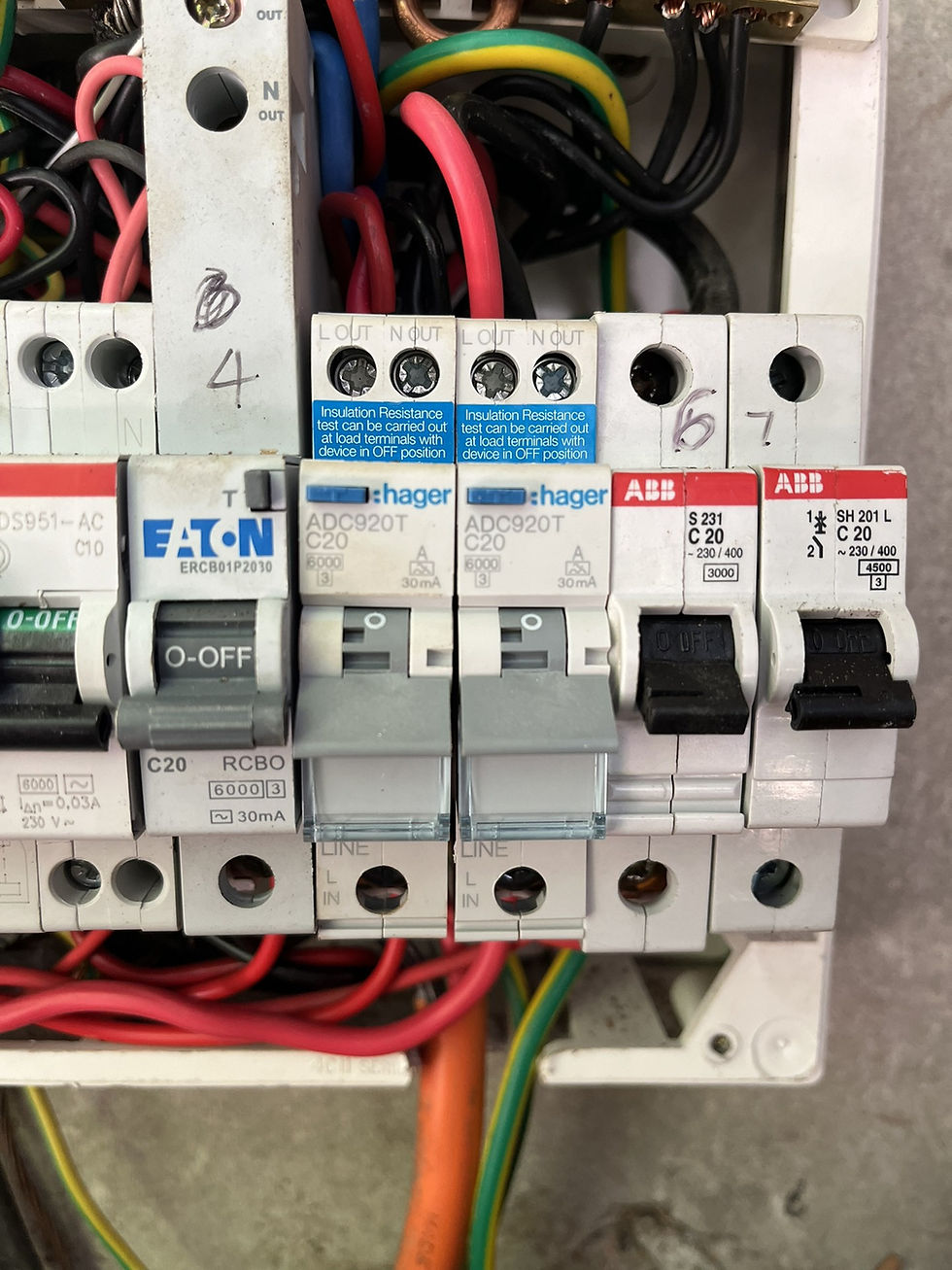
A safety switch is designed to disconnect power quickly when it detects a fault condition that could present a shock risk. In practical terms, it is there to protect people. That means repeated tripping is useful information, not random bad luck. If the switch keeps operating, there is a reason for it. The job is to identify that reason properly.
Common Causes of Safety Switch Tripping
Faulty appliances are a frequent culprit, especially where the timing lines up with a particular kettle, toaster, fridge or outdoor item being used. Moisture is another major cause, particularly after rain or around garden circuits, exterior power points and outdoor lighting.
We also regularly trace repeated tripping back to damaged wiring, ageing accessories, weather-exposed connections and broader issues in older switchboards or circuit layouts.
Safe First Checks
Before calling an electrician, it can help to unplug portable appliances, note whether the trip followed use of one specific item and think about whether the issue appeared after rain, humidity or outdoor water exposure. It is also worth paying attention to which part of the home seems linked to the fault.
What is not helpful is repeatedly resetting the switch without understanding the cause. That often masks the pattern rather than solving it.
Why Outdoor Circuits Trip
Outdoor circuits are exposed to weather, garden activity, moisture and age in ways internal circuits are not. That makes them common trouble spots, especially in homes with established landscaping, exterior lighting and entertaining areas.
The tricky part is that these faults can be intermittent. A system may appear normal until the next round of rain or the next time a particular zone is used.
Why Resetting Is Not a Fix
If a safety switch resets, it can be tempting to treat the matter as resolved. In reality, the reset has only restored power. It has not changed the underlying reason the fault was detected.
Sometimes the cause is simple. Other times it is the first warning sign of a larger problem. Either way, the pattern deserves attention.
What Electrical Fault Finding Involves
Professional fault finding may include isolating appliances, testing circuits, checking moisture-prone areas, reviewing the switchboard and narrowing the problem to a specific zone or condition. The goal is to identify the real cause cleanly rather than simply getting the power back on in the moment.
That approach is usually faster, more reliable and less expensive than repeated trial and error. Related services and reading: Electrical Fault Finding, Switchboard Upgrades, Residential Electrical Services and Outdoor Lighting.
When to Book an Electrician
If the switch will not reset, trips immediately, keeps returning without a clear appliance cause or follows obvious water exposure, it is time to arrange a proper assessment. Repeated power loss is not something to normalise in a home.
If you are in Frenchs Forest, the Northern Beaches, the North Shore or nearby Sydney suburbs, Pica Electrical can trace the cause and recommend the most practical fix.
How Pica Electrical Can Help
If your safety switch keeps tripping, Pica Electrical can carry out proper fault finding and help restore safe, reliable power.


Comments